Buying your first home as a service member or veteran represents more than a financial milestone—it's a chance to build stability for your family, regardless of future PCS moves. The VA Loan program offers unmatched benefits that can save military families tens of thousands of dollars compared to conventional mortgages. This comprehensive guide walks you through each step of the homebuying process, ensuring you maximize your hard-earned benefits.
Understanding Your VA Loan Advantages
Before diving into house hunting, let's explore why VA Loans are game-changers for military families. According to the Department of Veterans Affairs, the VA Loan program offers zero down payment requirements, competitive interest rates, and no Private Mortgage Insurance (PMI).
Key Benefits That Save You Money
Zero Down Payment: Unlike conventional loans requiring 3-20% down, VA Loans let you purchase with $0 upfront. On a $300,000 home, this saves you $9,000-$60,000 immediately.
No PMI Required: Conventional loans under 20% down require PMI, typically costing $150-$300 monthly. The Consumer Financial Protection Bureau states that PMI adds significant monthly costs that VA borrowers avoid entirely.
Competitive Interest Rates: VA Loans typically offer rates 0.25-0.5% lower than conventional mortgages. Over a 30-year loan, this difference saves thousands in interest.
Reusable Benefit: Your VA Loan eligibility restores after paying off previous VA loans, making it perfect for military families who PCS frequently.
Step 1: Secure Your Certificate of Eligibility (COE)
Your Certificate of Eligibility proves to lenders that you qualify for VA Loan benefits. Active duty members need 90 days of continuous service during wartime or 181 days during peacetime. Veterans typically need 24 months of active duty or full completion of their service period.
How to Obtain Your COE
- Online: Apply through the VA's eBenefits portal or VA.gov
- Through Your Lender: Most VA-approved lenders can obtain your COE electronically
- By Mail: Complete VA Form 26-1880 and mail with required documents
Allow 2-3 weeks for processing if applying by mail, though online applications often process within days.
Step 2: Get Pre-Approved with a VA-Experienced Lender
Pre-approval shows sellers you're a serious buyer and helps you understand your budget. Choose a lender experienced with VA Loans, as they understand military-specific situations like deployment income documentation and BAH (Basic Allowance for Housing) considerations.
Documents You'll Need
- Recent pay stubs and Leave and Earnings Statements (LES)
- Two years of tax returns
- Bank statements
- Certificate of Eligibility
- Deployment documentation (if applicable for income verification)

Step 3: Define Your Home Search Criteria
Military families have unique considerations when house hunting. Think beyond just the home itself—consider your family's long-term needs and potential PCS timeline.
Must-Have vs. Nice-to-Have Features
Must-Haves might include:
- Number of bedrooms for your family size
- Proximity to base (consider gate access and traffic patterns)
- School district quality if you have children
- Home condition requiring minimal repairs
Nice-to-Haves could include:
- Specific architectural style
- Large yard or specific outdoor features
- Upgraded kitchen or bathrooms
- Swimming pool or bonus rooms
Location Considerations for Military Families
Think about your family's daily routine. Homes closer to base gates often have higher resale value to future military buyers. Consider commissary access, medical facilities, and spouse employment opportunities if applicable.
Step 4: Start Your Home Search
Work with a real estate agent who understands military life and VA Loan requirements. They should be familiar with common VA appraisal issues and how military schedules affect closing timelines.
What Makes a Home VA-Eligible
The VA requires homes to meet Minimum Property Requirements (MPRs) for safety and livability. These include:
- Safe drinking water and sewage disposal
- Adequate heating systems
- Accessible utilities
- Structural soundness
- Lead-based paint disclosures for homes built before 1978
The VA appraisal ensures the home meets these standards and determines fair market value.
Step 5: Making Your Offer
When you find the right home, your agent will help craft a competitive offer. VA buyers can be just as attractive as conventional buyers when your agent educates sellers about VA Loan benefits.
Offer Components
Purchase Price: Based on comparable sales and current market conditions
Earnest Money: Shows good faith, typically 1-3% of purchase price
Contingencies: Include inspection, appraisal, and loan approval contingencies
Closing Timeline: VA loans typically close in 30-45 days
Planning Your Next Move?
Connect with Veteran & Military Spouse Real Estate Agents and VA Loan Experts You Can Trust.
Addressing Seller Concerns
Some sellers worry about VA appraisal requirements, but your agent should explain that VA standards protect both buyer and seller by ensuring the home's condition and value.
Step 6: Navigate the Due Diligence Period
Once your offer is accepted, you'll have a negotiated period (typically 7-14 days) to inspect the property and finalize your loan.
Essential Inspections
General Home Inspection: Examines structure, systems, and overall condition. Budget $400-$800 for a thorough inspection.
Pest Inspection: Required in many areas, especially for homes with wood-destroying insects. Cost ranges from $100-$300.
Additional Inspections: Consider radon testing, water quality (for well water), and septic inspection if applicable.
The VA Appraisal Process
The VA appraisal serves two purposes: determining fair market value and ensuring the home meets MPRs. The appraisal also protects your investment by ensuring you don't overpay.
If the appraisal comes in low, you have options:
- Negotiate a lower purchase price
- Pay the difference in cash
- Request a Reconsideration of Value if you believe the appraisal is incorrect
- Walk away from the deal
Step 7: Prepare for Closing
As your closing date approaches, stay organized and maintain communication with your lender and real estate agent.
Final Loan Approval
Your lender will conduct a final verification of employment and credit before closing. Avoid making major purchases or opening new credit accounts during this period.
Review Your Closing Disclosure
You'll receive this document at least three business days before closing. It details your final loan terms, monthly payment, and closing costs. Compare it to your initial Loan Estimate and question any significant changes.
Final Walk-Through
Conducted 24 hours before closing, this ensures the home's condition hasn't changed and any agreed-upon repairs are complete.
Step 8: Closing Day Success
Closing day finalizes your home purchase. You'll sign numerous documents, including your mortgage note, deed of trust, and other legal paperwork.
What to Bring to Closing
- Government-issued photo ID
- Certified or cashier's check for closing costs
- Proof of homeowner's insurance
- Any additional documents your attorney requests
Understanding Closing Costs
VA Loans limit what closing costs veterans can pay, but expect 2-5% of the home's purchase price. The VA funding fee (unless you're exempt due to disability) ranges from 1.25-3.3% depending on your down payment and loan usage.
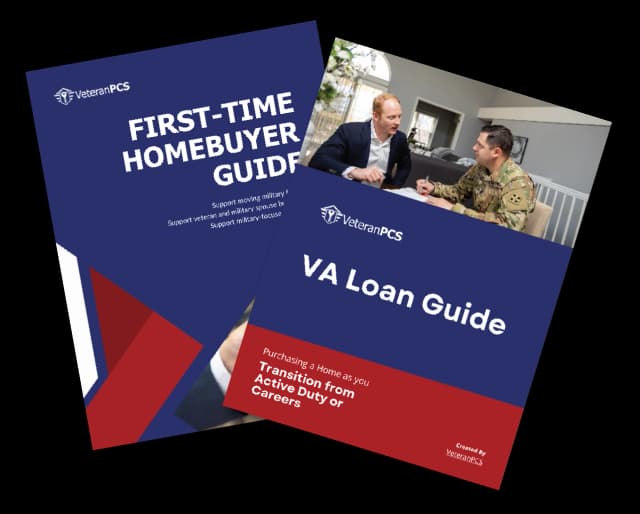
Free First-Time Homebuyer Guide
Make your move less stressful with our step-by-step first-time homebuyer guide.
We respect your privacy. Unsubscribe anytime.Maximizing Your VA Loan Benefits Long-Term
Your VA Loan benefits extend beyond your first home purchase. Understanding how to leverage them throughout your military career can save tens of thousands of dollars.
Using Your Benefits Again
Your entitlement restores when you:
- Pay off your VA loan completely
- Sell your home and pay off the VA loan
- Have another veteran assume your VA loan
Investment Property Considerations
While VA Loans are for primary residences, military families can convert previous homes to rentals after PCS moves, building long-term wealth through real estate investment.
Common VA Loan Mistakes to Avoid
Skipping Pre-Approval: Pre-approval strengthens your offer and identifies potential issues early.
Ignoring Your Budget: Just because you qualify for a certain amount doesn't mean you should borrow the maximum.
Choosing the Wrong Agent: Work with someone experienced in VA Loans and military relocations.
Rushing the Process: Allow adequate time for each step, especially if you're buying during PCS season.
Take Action on Your Homeownership Goals
Buying your first home with a VA Loan positions your family for financial success while building equity instead of paying rent. The process may seem complex, but with the right team and knowledge, it becomes manageable and rewarding.
The military lifestyle presents unique challenges, but your VA Loan benefits provide advantages that can save your family thousands of dollars and create long-term financial stability.
Ready to start your homebuying journey?
Connect with a VeteranPCS expert who understands military life and can guide you through every step of the VA Loan process. Our network of military-focused real estate agents and VA-experienced lenders is ready to help you achieve homeownership success.
Share this guide with your military friends to help them discover their VA Loan benefits!
Keep Learning About Your VA Loan
Build on this guide with a refresher on the benefits of a VA loan and a closer look at how a $0-down VA loan works. Make sure you meet the VA loan eligibility requirements, come prepared with the 10 essential questions for first-time military home buyers, and learn who belongs on your VA loan home-buying team.
When you are ready to start, connect with a VeteranPCS agent who understands military timelines and VA-loan purchases.