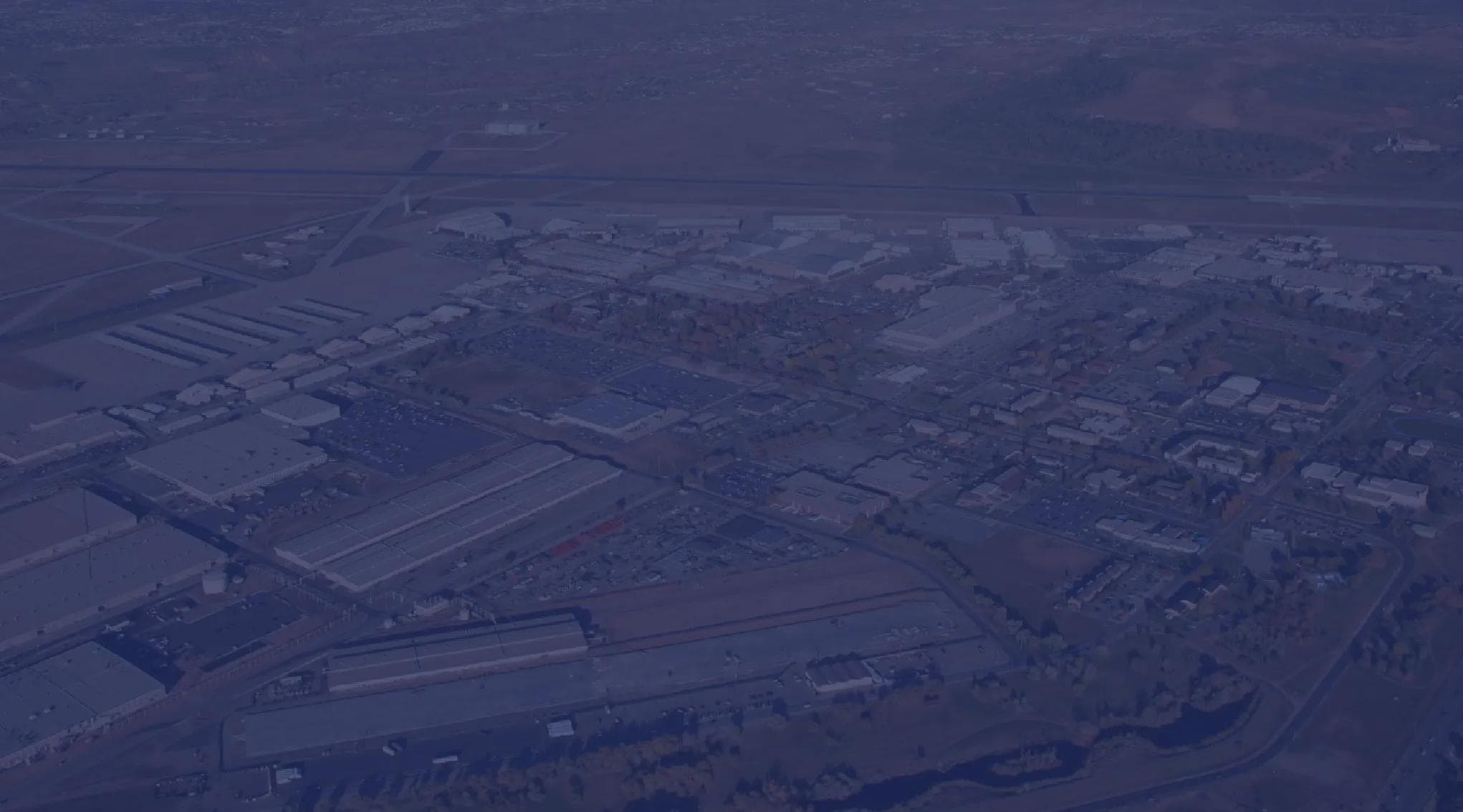
Utah has a smaller but very busy military footprint. The state is home to five major active installations, supporting the Air Force and Army, plus National Guard units that train alongside them. Whether you are PCSing to Utah (Permanent Change of Station, the military term for an official move to a new duty station), thinking about a move, or just curious about military history, this guide gives you a clear overview of the key military bases in the state.
Overview of Military Installations in Utah
Utah military bases cover a wide range of missions. They include fighter operations, depot-level aircraft and missile repair, weapons testing, chemical and biological defense testing, ammunition storage, and National Guard training. Most of the state's active-duty population is centered on the Wasatch Front north of Salt Lake City, while the wide-open West Desert gives Utah some of the largest test and training ranges in the country.
Active Military Bases in Utah
- Hill Air Force Base
- Utah Test and Training Range
- Dugway Proving Ground
- Tooele Army Depot
- Camp Williams (Utah National Guard)
Air Force Bases in Utah
Hill Air Force Base
Hill Air Force Base sits along the Wasatch Front near Ogden, Layton, and Clearfield, north of Salt Lake City. It is the Air Force's second largest base by population and geographical size. Its host unit, the 75th Air Base Wing, supports the Ogden Air Logistics Complex, two fighter wings, and about 50 other associate units, totaling roughly 27,000 members. The active-duty 388th Fighter Wing and the Reserve 419th Fighter Wing both fly the F-35A Lightning II fighter from Hill.
Key Missions:
- F-35A Lightning II fighter operations and training
- Depot-level repair and sustainment at the Ogden Air Logistics Complex
- Installation support for dozens of mission partners
See the official 75th Air Base Wing fact sheet and the Ogden Air Logistics Complex fact sheet.
Utah Test and Training Range
The Utah Test and Training Range (UTTR) is a Department of Defense major range and test facility in Utah's West Desert, and it is supported by the 75th Air Base Wing at Hill AFB. The UTTR holds the largest block of overland contiguous special-use airspace in the continental United States. It is the only location able to support overland testing of cruise missiles, and it is also used to train aircrews in air-to-air combat and live and inert bombing and gunnery.
Key Missions:
- Operational test and evaluation for weapons that need a large safety footprint
- Overland cruise missile testing
- Air-to-air and air-to-ground combat training
Learn more on the Utah Test and Training Range fact sheet and the Hill AFB UTTR page.
Army Bases in Utah
Dugway Proving Ground
Dugway Proving Ground is a remote Army post in Tooele County, southwest of Salt Lake City in Utah's West Desert. Established in 1942, it is the nation's leading test center for Chemical and Biological Defense. Dugway tests and evaluates nearly all Department of Defense chemical and biological defense equipment, such as gas masks, protective suits, and decontamination methods. The post does not develop or test chemical or biological weapons.
Key Missions:
- Testing of chemical and biological defense equipment
- Support against chemical, biological, radiological, and nuclear (CBRN) hazards
- Testing of obscurants and unmanned aircraft systems
Read more from the U.S. Army Dugway Proving Ground website and the Army "Dugway Does Defense Testing" article.
Tooele Army Depot
Tooele Army Depot, in Tooele County west of Salt Lake City, has focused on munitions since 1942. The depot serves as the Army's "Western Hub" for the storage, shipping, receiving, demilitarization, and maintenance of conventional ammunition. It works under the Army's Joint Munitions Command to keep munitions ready and positioned for the warfighter.
Key Missions:
- Receipt, storage, and issue of conventional ammunition
- Demilitarization of old or unsafe munitions
- Ammunition equipment and logistics support
Details are on the Tooele Army Depot website and in the Army article on how Tooele Army Depot is positioned for lethality.