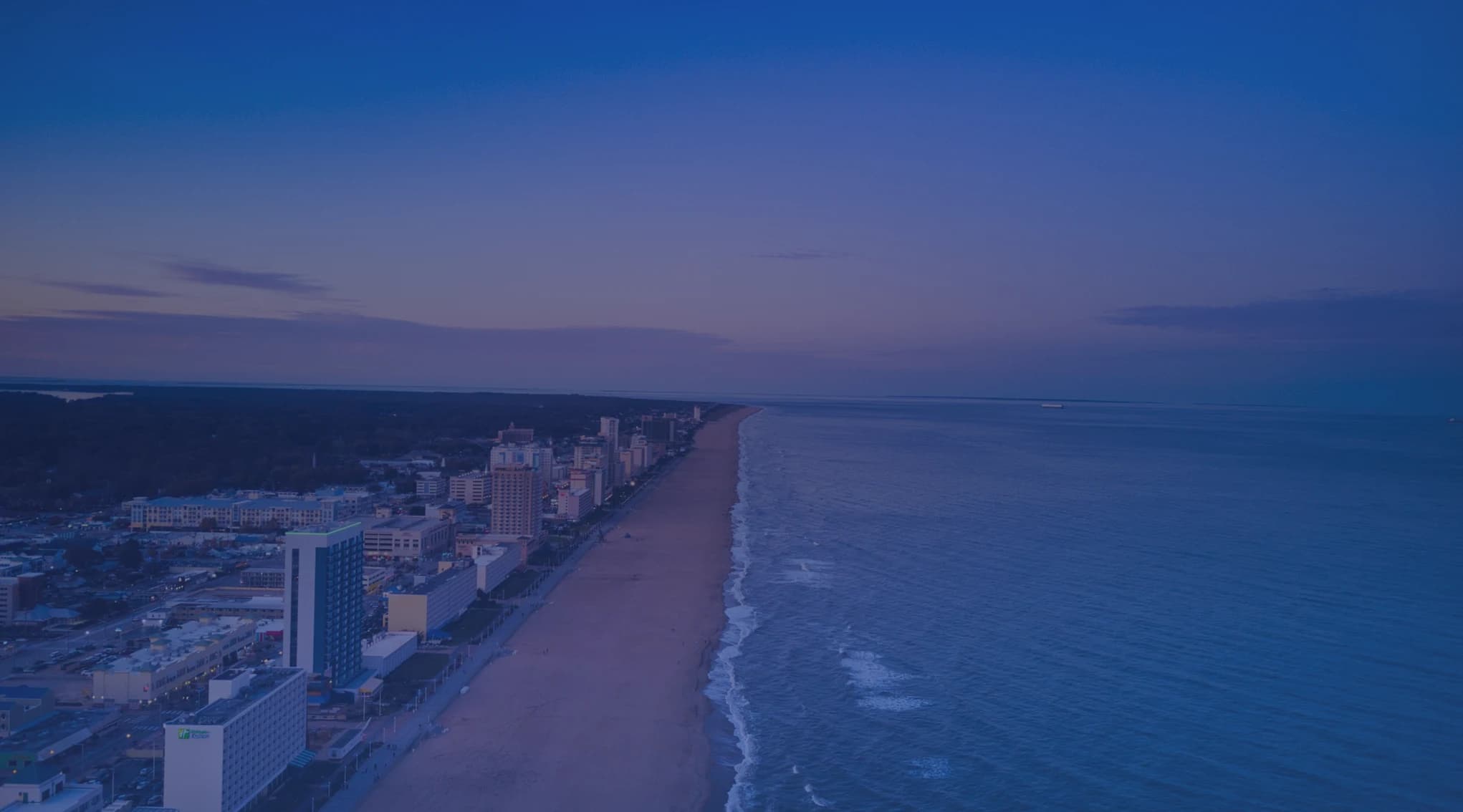
Virginia has one of the deepest military histories in the country, and it is still one of the most active military states today. The state is home to eleven major military installations, supporting the Navy, Marine Corps, Army, and Air Force, plus the Pentagon just across the river from Washington, D.C. Whether you are PCSing to Virginia, weighing a move, or just curious about the state's military footprint, this guide gives you an overview of the key military bases in Virginia. (A PCS, or Permanent Change of Station, is a military move from one duty station to another.)
Overview of Military Installations in Virginia
Virginia's bases cover a wide range of missions, from running the world's largest naval fleet to training fighter pilots, sustaining the Army, and developing new ideas for the Marine Corps. The Hampton Roads region around Norfolk and Virginia Beach holds one of the densest clusters of military bases anywhere in the United States, which is why so many service members land here on orders.
Active Military Bases in Virginia
- Naval Station Norfolk
- Naval Air Station Oceana
- Joint Expeditionary Base Little Creek-Fort Story
- Naval Weapons Station Yorktown
- Naval Support Activity Hampton Roads
- Joint Base Langley-Eustis
- Marine Corps Base Quantico
- Fort Gregg-Adams
- Fort Belvoir
- Fort Barfoot
- The Pentagon
Navy and Marine Corps Bases in Virginia
Naval Station Norfolk
Naval Station Norfolk is the largest naval base in the world and the heart of the Navy's presence on the East Coast. The land was bought soon after the United States entered World War I in 1917, and by Armistice Day in 1918 there were 34,000 sailors stationed there. Today it is the home of the Navy's largest concentration of naval forces and also hosts personnel from the Marine Corps, Army, Air Force, and Coast Guard.
Key Missions:
- Homeport for aircraft carriers, destroyers, and other Atlantic Fleet ships
- Support for major joint operations across all branches
- Fleet readiness, repair, and logistics
Source: Commander, Navy Region Mid-Atlantic — Naval Station Norfolk
Naval Air Station Oceana
Naval Air Station Oceana in Virginia Beach is the Navy's East Coast Master Jet Base. It is where Navy strike fighter squadrons are based and trained. The base flies the F/A-18 Super Hornet, the carrier-based fighter that replaced the F-14 Tomcat, along with the C-40A Clipper transport aircraft.
Key Missions:
- Home base for F/A-18 Super Hornet strike fighter squadrons
- Fighter pilot and aircrew training
- Carrier air wing readiness
Source: Commander, Navy Region Mid-Atlantic — NAS Oceana
Joint Expeditionary Base Little Creek-Fort Story
This base in Virginia Beach combines the old Naval Amphibious Base Little Creek with the Army's former Fort Story. It is the major East Coast home for amphibious and expeditionary forces — the units that move and fight from sea to shore. It supports Naval Special Warfare units, including Navy SEAL teams, and Army watercraft training at Fort Story.
Key Missions:
- Amphibious and expeditionary warfare training
- Support for Naval Special Warfare and SEAL teams
- Joint Army and Navy operations
Source: Commander, Navy Region Mid-Atlantic — JEB Little Creek-Fort Story
Naval Weapons Station Yorktown
Naval Weapons Station Yorktown sits on the York River and handles the Navy's ammunition and ordnance on the mid-Atlantic coast. It is home to Navy Munitions Command Atlantic, which stores, maintains, and ships weapons for the fleet.
Key Missions:
- Storage and handling of Navy ammunition and ordnance
- Support for fleet munitions and weapons readiness
- Munitions training and logistics
Source: Commander, Navy Region Mid-Atlantic — WPNSTA Yorktown
Naval Support Activity Hampton Roads
Naval Support Activity Hampton Roads provides base support and facilities for a number of Navy and joint commands in the Norfolk area. It helps tie together the many tenant commands that make Hampton Roads such a busy military region.
Key Missions:
- Base operating support for Navy and joint tenant commands
- Facilities and services for the Hampton Roads region
- Support for headquarters and administrative commands
Source: Commander, Navy Region Mid-Atlantic — NSA Hampton Roads
Marine Corps Base Quantico
Marine Corps Base Quantico, established in 1917, is known as the "Crossroads of the Marine Corps." It is where many of the Corps' ideas, training programs, and equipment for the future are developed. Some of the most important techniques in expeditionary warfare were born here. Quantico is also home to Marine officer training and major Marine Corps commands.
Key Missions:
- Marine Corps training and officer development
- Development of new warfighting concepts and equipment
- Headquarters for major Marine Corps commands
Source: Marine Corps Base Quantico — History
Army Bases in Virginia
Joint Base Langley-Eustis
Joint Base Langley-Eustis combines the Air Force's Langley Field in Hampton with the Army's Fort Eustis in Newport News. The Air Force side flies the F-22 Raptor, a fifth-generation stealth fighter, and is run by the 633rd Air Base Wing. (A wing is a large Air Force unit that groups together aircraft and support squadrons.) The Army side at Fort Eustis is the home of U.S. Army Training and Doctrine Command (TRADOC) and the Army's transportation and aviation logistics training.
Key Missions:
- F-22 Raptor fighter operations and air dominance
- Army training, doctrine, and transportation schooling
- Joint Air Force and Army support
Sources: Joint Base Langley-Eustis and JBLE — Fort Eustis Units